Nashville, Tenn. (November 12, 2026)—I received a call from Shannon Ahern a couple of days ago informing me that her father, Brian Ahern, a man I deeply loved as a friend and mentor, had passed away the day before. It was a tough call. She was still reeling from the loss, and I’m now struggling as I type this to put into words what Brian meant to me.
I don’t remember exactly when Brian and I met, but it was more than 30 years ago. He had recently relocated to Nashville from Los Angeles, and there was this buzz in certain circles of the music community that this legendary producer of all the great Emmylou Harris albums was indeed here—but he was very private. He didn’t do interviews, and though cool, influential producers, artists and songwriters revered his work, it seemed Brian himself was an enigma to just about everyone. Out of sight, but not out of mind.
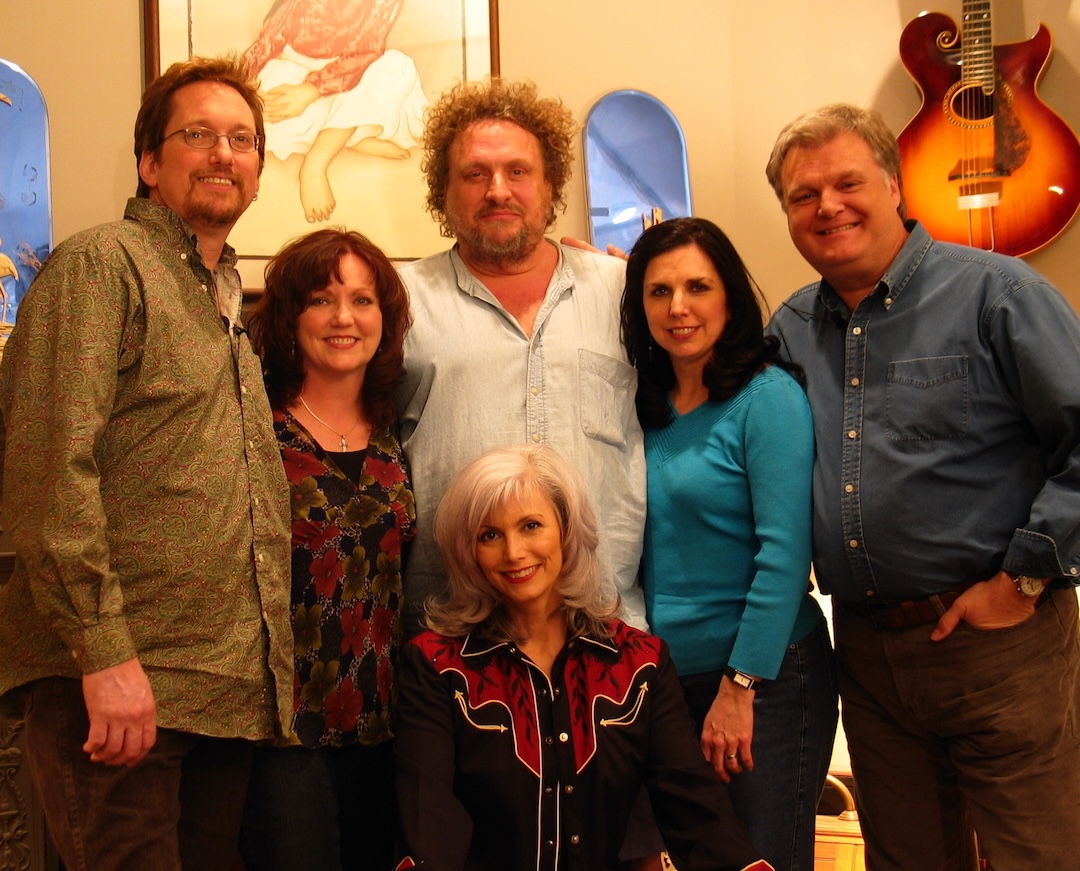
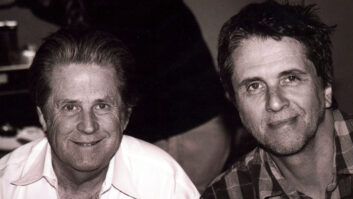
PHOTO: Rick Clark
At the time, Tony Brown was riding a wave in Nashville, signing and producing artists outside of the Nashville mainstream like Lyle Lovett, Steve Earle, Joe Ely and Nanci Griffith. Tony loved Brian’s production, and he told me those Emmylou Harris albums paved the way for him to push the boundaries of what mainstream country was at the time.
Like Tony, I’d been a fan of Brian’s production work ever since I heard Emmylou’s Warner Bros. debut, Pieces of the Sky, when it was released in 1975. Between then and 1983, Brian produced 11 excellent albums, each a showcase of thoughtful song curation that spotlighted songwriters not normally associated with mainstream Nashville. Artists such as Rodney Crowell, Guy Clark, Townes Van Zandt, Delbert McClinton, Gram Parsons, Susanna Clark, Shel Silverstein, Carlene Carter, Paul Simon, Jesse Winchester and Lennon-McCartney, while at the same time unearthing old country chestnuts by the Louvin Brothers, A.P. Carter and Ralph Stanley.
Other artists, including The Byrds, Gram Parsons (solo and with The Flying Burrito Brothers), Ian & Sylvia, Linda Ronstadt and Joan Baez, were then reinventing the possibilities of folk and country. Still, Brian and Emmylou had created a singular vision and sound that introduced many writers and relatively unknown artists to the public and helped lay the groundwork for what would become Americana music.
In his later years, Brian began to receive important recognition in the form of numerous awards and honors, including a Lifetime Achievement Award for Producer/Engineer at the 2010 Americana Music Association Awards. Later, his home country honored him as a Member of the Order of Canada in 2019.
• Stevie Wonder Brings ‘Key of Life’ Tour to Europe
Brian’s productions were both intimate and cinematic in scope, and to help achieve that, he enlisted some of the greatest musicians and vocalists in the L.A. and Nashville country music communities, notably James Burton, Dolly Parton, Albert Lee, Garth Hudson, Mickey Raphael, Linda Ronstadt, Bernie Leadon, Fayssoux Starling, Ricky Skaggs, Billy Payne and Glen D. Hardin. He also employed excellent engineers, particularly Donivan Cowart, who worked on most of Brian’s productions.
Before his work with Emmylou, Brian had made a name for himself by producing 10 albums and a string of hits with Anne Murray, including her first hit, “Snowbird.” By the time I met Brian, his credits included Johnny Cash, George Jones, Guy Clark, Rodney Crowell, Jesse Winchester, David Bromberg, Albert Lee, Jonathan Edwards, Glen Campbell, Ricky Skaggs, Billy Joe Shaver and other great artists.
My first interview with Brian was for Mix Magazine. The editors, along with a few friends in Nashville, were surprised that I had landed the story. In fact, the title of the piece was “Brian Ahern: A Rare Interview with Country’s Great ‘Natural’ Producer.”
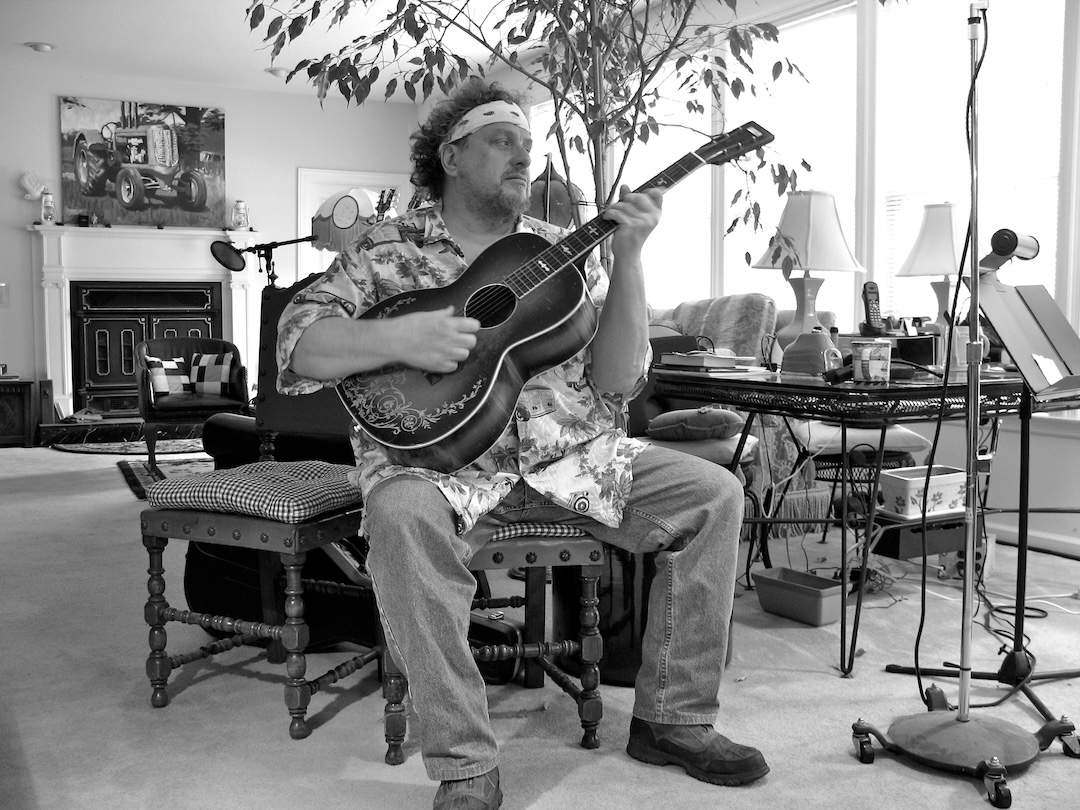
PHOTO: Rick Clark
The interview was conducted at his rambling Tudor home, which was chock-full of instruments, recording gear and loads of things befitting the residence of an eccentric. Parked outside his home was the Enactron Truck, a groundbreaking mobile recording studio he created that was in high demand by major artists and productions, and listed on more than 40 gold and platinum albums. The Enactron is now part of the Musicians Hall of Fame in Nashville. The resulting interview was a generous inside look that revealed Brian as someone who thought outside the box, and who had the attention to detail that could realize something special.
It was the beginning of a long friendship that not only involved more interviews, but also a lot of whatever he thought I could do: research, assisting on various projects, including surround music projects for two Emmylou Harris releases (Producer’s Cut and Roses in the Snow), and doing photography, some of which ended up on a couple of Emmy’s albums.
• Subscribe to Mix Magazine and our Weekday Newsletter for free!
Brian was there for me as a believer at times when it felt like that kind of support was in short supply. He seemed to thrive on throwing me into the deep end of opportunities and watching me rise to meet the moment. I liked feeling his pride when I delivered.
For Brian, production began long before the first tracks were recorded. He was always gathering songs, testing microphones, experimenting with gear, digging through mountains of storage in his basement, looking for what he called “packrat payoffs.” It seemed he was always proudly trotting out a new rediscovery.
Watching Brian work with Emmy was inspiring. There was so much respect between the two of them, and I was grateful when asked to listen to a new track while they were watching my reaction.
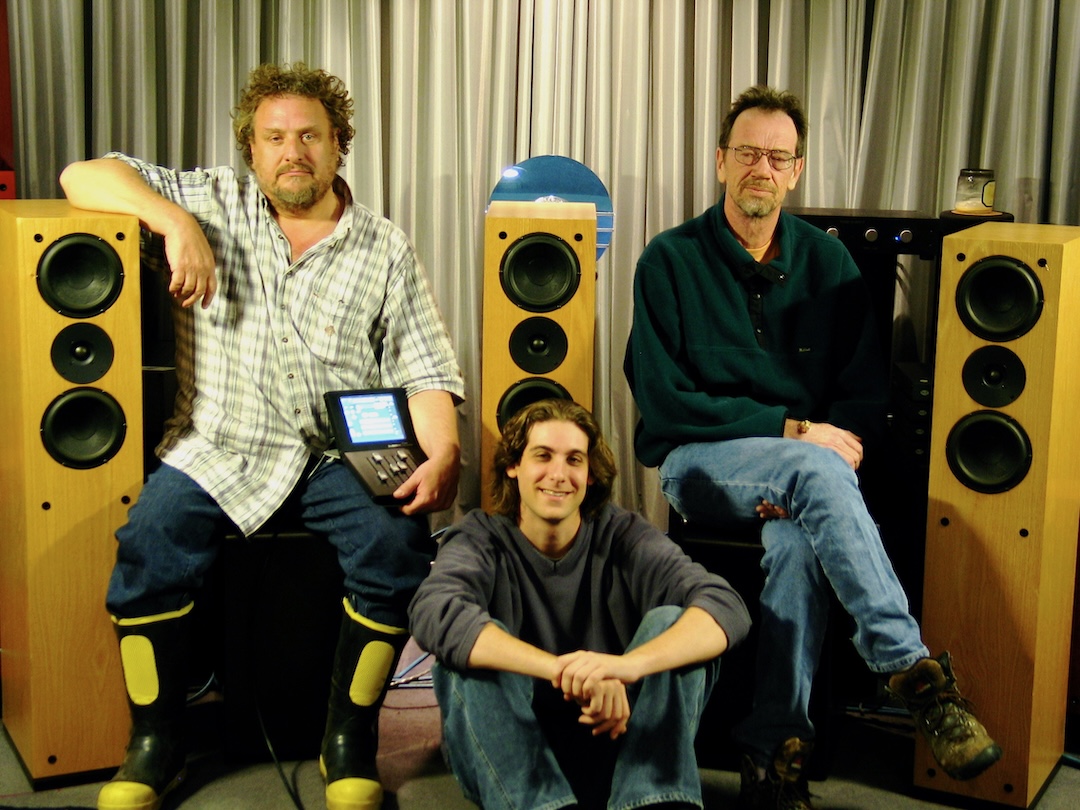
PHOTO: Rick Clark
When DVD-Audio and SACD were becoming a thing in the early Aughts, Brian dove into surround testing and placement of speakers. (Note: We both preferred the quadraphonic setup.) The result was a collection of Emmylou Harris songs he felt would be most conducive to the 5.1 format. He then followed that up with a beautiful surround mix of Roses in the Snow, which, unfortunately, never got released. It was really, really special, though. I conducted interviews and did video for those releases, including a great unplugged, in-the-round performance with Emmylou, Ricky Skaggs, Jerry Douglas, and Sharon and Cheryl White.
After those releases, Brian and Emmy got down to work on what would become her soulful, quiet, gem of an album, All I Intended to Be, which was released in 2008. It was inspiring to witness the deep sense of listening and the thoughtful selection of players and songs as the album came together.
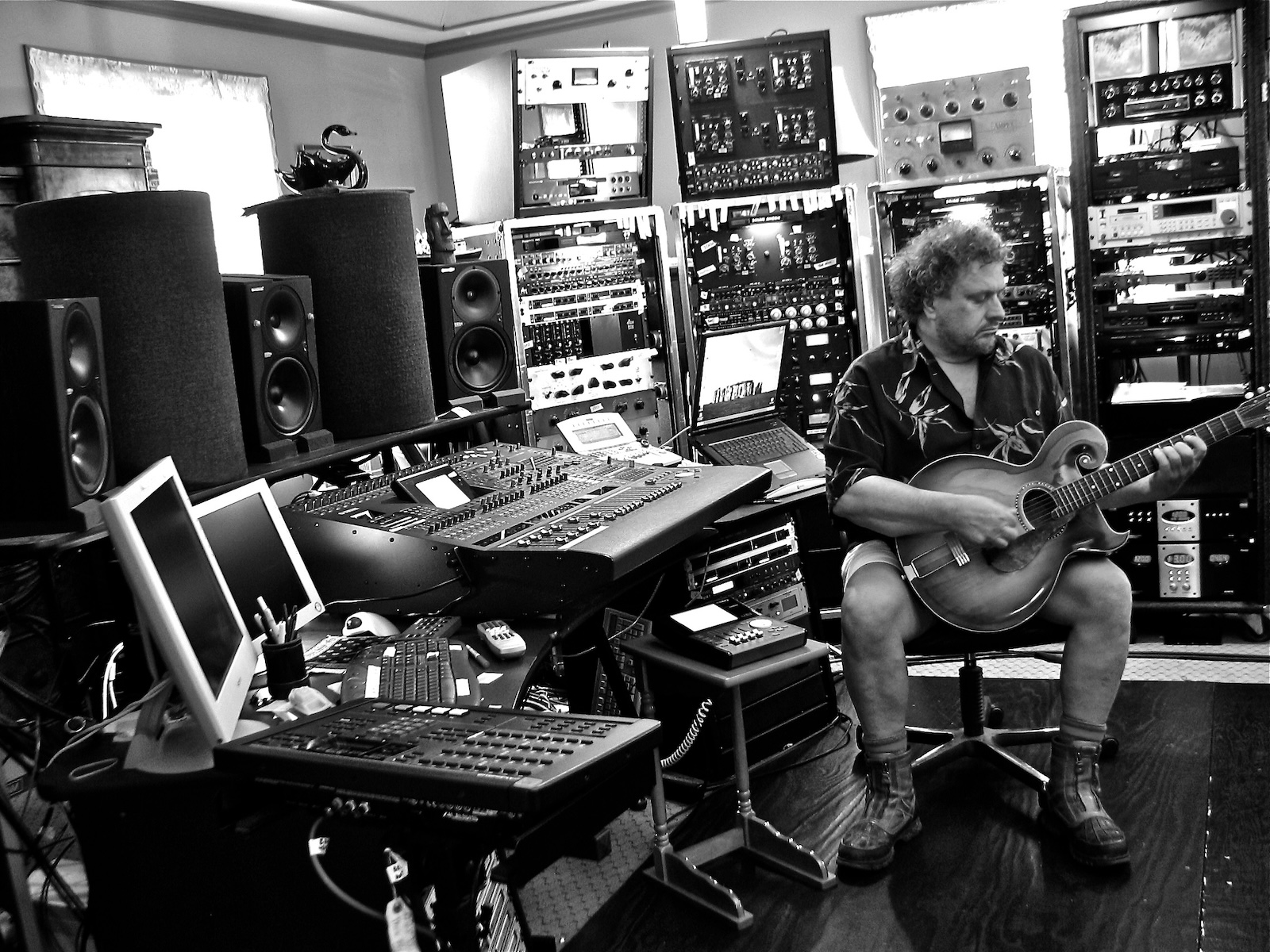
PHOTO: Rick Clark
Brian could be an imposing figure for those who didn’t know him. At 6-foot-2, he was a large presence, and he could glower better than anyone I know. Behind that was often a slight mischievous smile. I loved his sense of humor, and I have many photos of his deadpan look. He had this huge rabbit head that, if I remember correctly, was from the movie Harvey. There was a troubling-looking antique doll perched on an upper shelf, alongside a stuffed pig—just nutty stuff. I loved his quirky humor and way of seeing things. Whenever I called Brian on the phone and asked how he was doing, he’d always give a soft deadpan reply, “normal,” which was funny coming from a guy who couldn’t be placed in a defined box.
When Brian thought I needed something, he got me a very good camera, or recording goodies. When he completed his surround work, he gave me the monitors he purchased for the mixes. I still use them.
Then, there were all sorts of eccentric gifts. When Mary and I were driving from Nashville to my place in Santa Monica, Brian gave us a large box of dehydrated mashed potato flakes, explaining that he thought they were great and we would appreciate how good they were. As it turned out, they were.
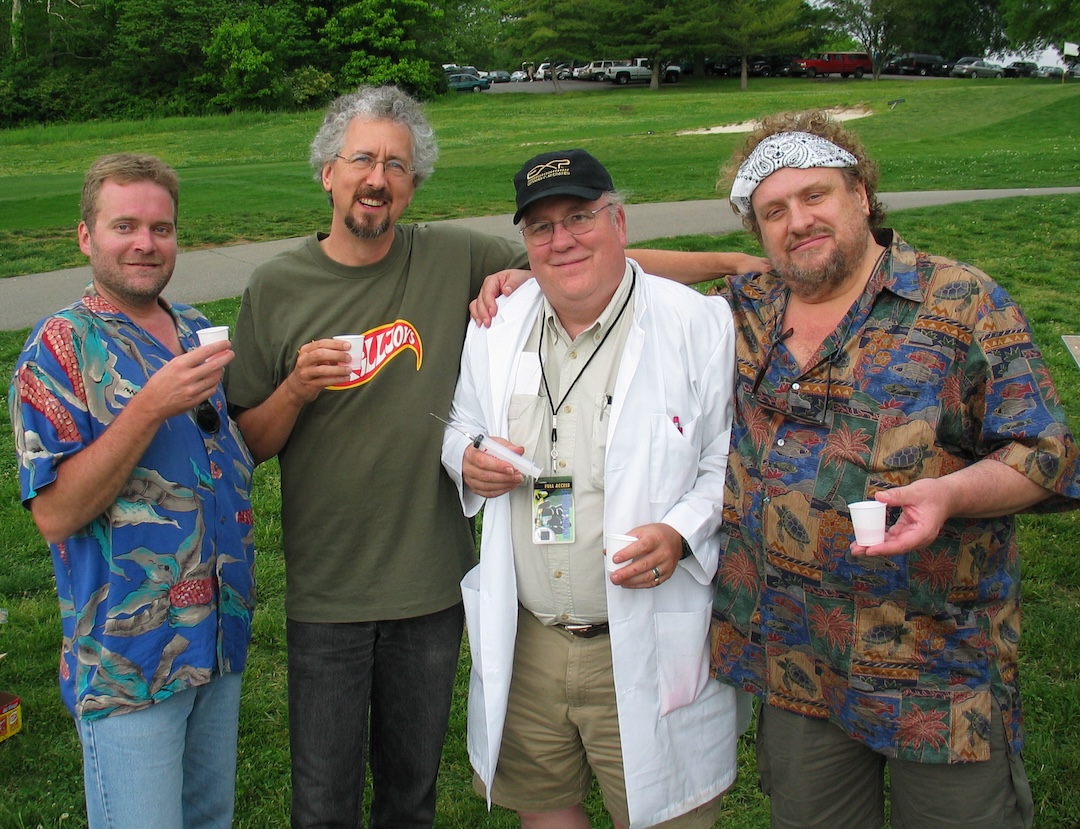
PHOTO: Rick Clark
We also had some fun whiskey tastings, where he would invite a small group of friends to a table full of all kinds of whiskey. He supplied notepads and pencils; we all had to evaluate what our top choices were. I don’t remember what we chose. We were having too much fun.
There were other things too personal to talk about here, where he helped me through some challenging times. He was one of the few people who understood this very AD/HD on-the-spectrum guy, and I’m forever grateful for his kindness and support.
When Brian described how he visualized a production, it was about more than just getting the songs and the sound; he often visualized where the music would exist in imaginary places, where he would describe the smell and look of things, the dust on old music stands and the lighting. It was a world. That alone was invaluable, informing my work in production, creating music, and eventually music supervision for film and TV.
I’m still very fresh from receiving the news, and all sorts of memories keep flooding in, but I loved Brian Ahern, and I believe I became a better person as a result of our decades of friendship. RIP: BA.